

Thinking about a sale on house in 2026? The real estate landscape is shifting fast, and the choices you make now could mean thousands gained or lost.
Sellers face new challenges, from changing buyer habits to unpredictable market swings. How do you know when to list, what price to set, or how to outshine the competition?
This guide is built on proven strategies and expert advice. You will find actionable steps, the latest data, and real-world examples tailored for any seller, in any market.
Ready to get the most from your home? Follow our step-by-step approach, covering market analysis, home preparation, pricing, marketing, negotiation, and closing for a successful, profitable experience.
Understanding the 2026 Real Estate Market
Navigating the 2026 real estate landscape requires a solid understanding of emerging trends, economic influences, buyer preferences, legal updates, and timing strategies. Whether you are preparing for a sale on house in a city like Pittsburgh or a suburban neighborhood, being proactive is key to maximizing your success.
Key Market Trends and Predictions
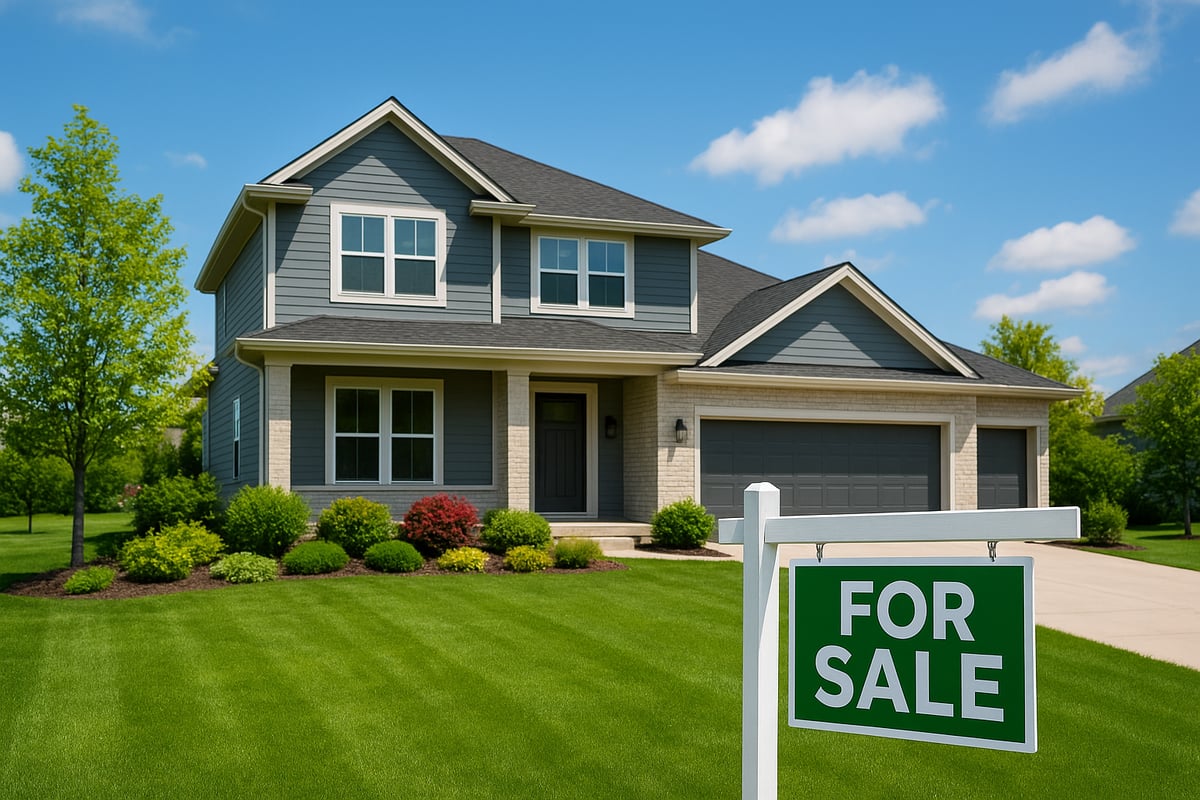
The 2026 real estate market is expected to be dynamic, with home prices projected to stabilize after several years of volatility. According to Redfin’s 2026 Housing Market Predictions, most regions will see modest price growth, but local conditions vary. For anyone planning a sale on house, monitoring interest rates is crucial, as small fluctuations can shift buyer demand significantly.
Inventory levels are forecasted to remain tight in many urban areas, favoring sellers. However, suburban and rural markets may experience more balanced conditions. For example, Pittsburgh’s median home price trends suggest steady growth, outpacing some national averages. Understanding these regional differences helps you prepare your strategy for a successful sale on house.
Economic Factors Influencing Home Sales
Economic factors such as inflation, employment rates, and new construction heavily impact the sale on house process. Higher inflation can reduce affordability, narrowing the buyer pool. Stable employment rates boost consumer confidence, encouraging more buyers to enter the market.
New construction rates are expected to rise in 2026, increasing competition from brand-new homes. Mortgage rate forecasts for 2025-2026 suggest moderate increases, which may affect how quickly homes sell. For sellers, tracking these factors will help you time your sale on house for optimal results.
Buyer Demographics and Preferences
Millennials and Gen Z buyers are set to dominate the market in 2026, bringing fresh preferences to the sale on house journey. These groups increasingly seek eco-friendly and smart homes, with flexible spaces for remote work and entertaining. The demand for move-in-ready properties continues to grow, as busy lifestyles leave little time for renovations.
Recent data shows that a higher percentage of buyers now prefer homes with sustainable features and smart technology. In Pittsburgh, for example, listings highlighting energy efficiency and updated amenities attract more attention, making your sale on house more competitive.
Navigating Legal and Regulatory Changes
Keeping up with legal updates is vital for a smooth sale on house. In 2026, changes to disclosure laws and inspection requirements are expected in many states. Sellers should prepare for new tax regulations impacting capital gains, which may affect net proceeds.
Local ordinances, such as Pittsburgh’s rental registration requirements, can also influence the selling process. Pennsylvania, for instance, is introducing new seller disclosure forms designed to increase transparency. Reviewing these legal changes early helps you avoid delays and ensures your sale on house proceeds efficiently.
Timing Your Sale for Maximum Profit
Timing plays a significant role in every sale on house. In 2026, traditional seasonal patterns are expected to persist, with spring and early summer remaining the best months to list. However, market conditions and personal factors must also be considered.
Data from previous years shows homes listed in spring spend fewer days on the market compared to fall listings. For example, a case study from a competitive Pittsburgh neighborhood showed a spring sale closed in 18 days, while a similar fall listing took over 30 days. By aligning your sale on house with these trends, you increase your chances of a faster and more profitable transaction.
Preparing Your House for Sale: Step-by-Step Guide
Getting ready for a sale on house in 2026 means more than just putting up a sign. Today’s buyers expect move-in-ready homes with modern appeal, and sellers who prepare strategically can command higher prices and faster closings. Start with these expert-backed steps to ensure your property stands out.
Assessing and Improving Curb Appeal
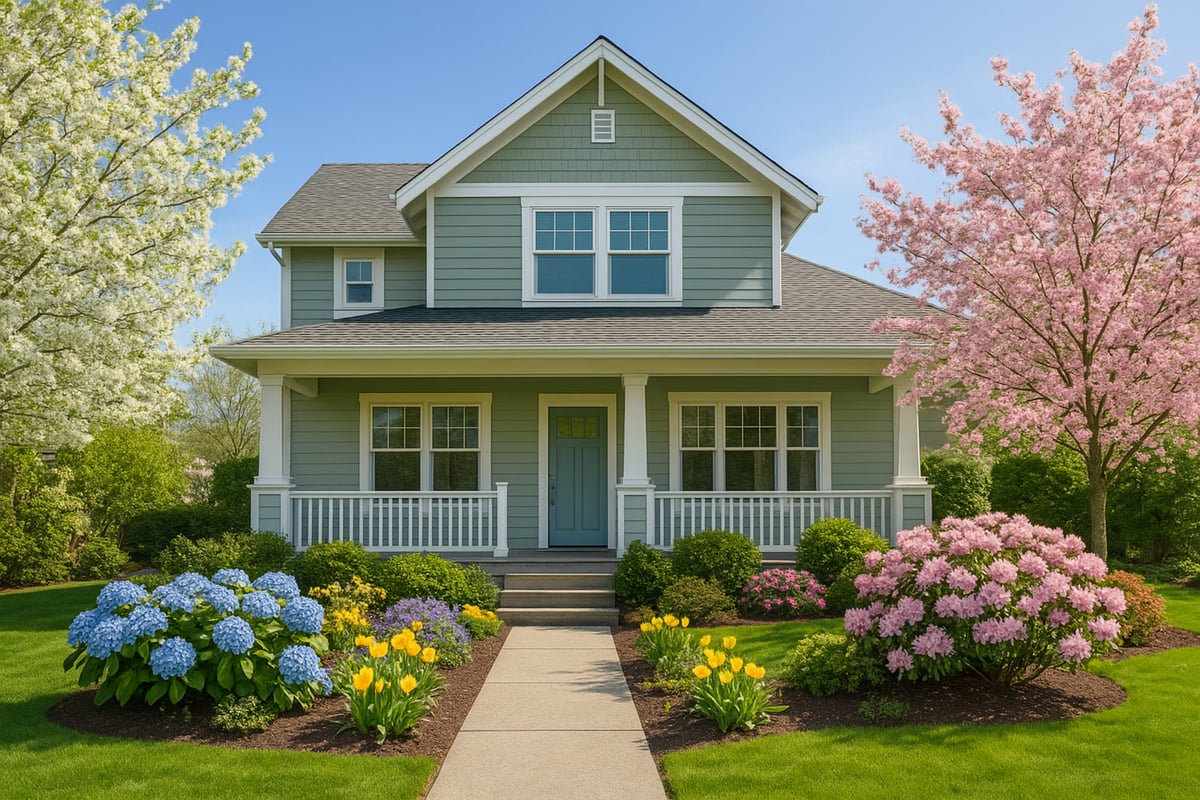
First impressions matter. For a successful sale on house, begin by evaluating your home’s exterior. Walk the property as if you were a buyer. Is the lawn trimmed? Are the flowerbeds weeded? Look for peeling paint, damaged siding, or clutter on the porch.
Focus on upgrades with the best return on investment. Fresh paint, new house numbers, and updated lighting are affordable fixes that make a big difference. Landscaping improvements, such as planting colorful flowers or adding mulch, consistently yield high ROI.
Consider this example: A Pittsburgh homeowner invested $2,000 in landscaping and exterior painting. The result was a $10,000 increase in the sale on house price compared to similar unrefreshed properties. Small touches can lead to big gains.
Decluttering, Cleaning, and Staging
A clutter-free, sparkling home is vital for a smooth sale on house. Start by removing personal items, excess furniture, and anything that distracts from your home’s features. Tackle one room at a time, using bins to sort items for donation, storage, or disposal.
Deep cleaning is next. Pay attention to kitchens, bathrooms, and flooring. Professional cleaning services can ensure every corner shines, but a thorough DIY effort works too. Staging is the final touch. Use neutral tones and flexible layouts to appeal to a wide range of buyers.
For seasonal staging strategies, check out 4 Ways to Stage Your House for a Winter Sale for actionable tips that boost appeal during colder months.
Addressing Repairs and Pre-Listing Inspections
Address repairs before listing to minimize complications during your sale on house. Start by fixing leaky faucets, squeaky doors, and cracked tiles. Focus on must-fix items that could deter buyers or cause issues during the inspection.
Schedule a pre-listing inspection if possible. This step uncovers hidden problems early, giving you control over repairs and reducing buyer negotiation leverage. For example, a seller who addressed minor roof issues before listing avoided costly last-minute requests and sped up the sale on house process.
Common red flags include outdated electrical panels, water stains, or foundation cracks. Proactive repairs help reassure buyers and keep your transaction on track.
Upgrading for Modern Buyers
Modern buyers in 2026 value updated kitchens, bathrooms, and smart technology. Consider cost-effective upgrades such as new countertops, energy-efficient appliances, or touchless faucets. Smart thermostats and security systems are popular features for a sale on house.
Energy efficiency is increasingly important. Adding insulation, replacing windows, or installing solar panels can attract eco-conscious buyers and potentially qualify for tax incentives. In Pittsburgh, homes with solar panels sold 20% faster in recent years.
Prioritize upgrades with high ROI. Even small changes, like new cabinet hardware or LED lighting, can elevate your home’s appeal and help you achieve a top-dollar sale on house.
Professional Photography and Virtual Tours
High-quality visuals are crucial for a successful sale on house listing. Hire a professional photographer to capture your home in the best light. Ensure every room is bright and clutter-free on photo day.
Virtual tours and drone footage offer buyers a comprehensive view from anywhere. In 2026, listings with immersive 3D tours receive up to 87% more online views. This increased exposure often leads to quicker offers and higher sale on house prices.
Investing in professional marketing materials can set your property apart in a crowded market. Buyers are drawn to listings that showcase every detail, making this final step essential for a standout presentation.
Pricing Strategies for a Successful Sale
Pricing your home correctly is the foundation for a successful sale on house. In 2026, with shifting market conditions and informed buyers, the right strategy can mean the difference between a fast, profitable sale and a listing that lingers. Let’s break down the key steps to price your property with confidence.
Comparative Market Analysis (CMA)
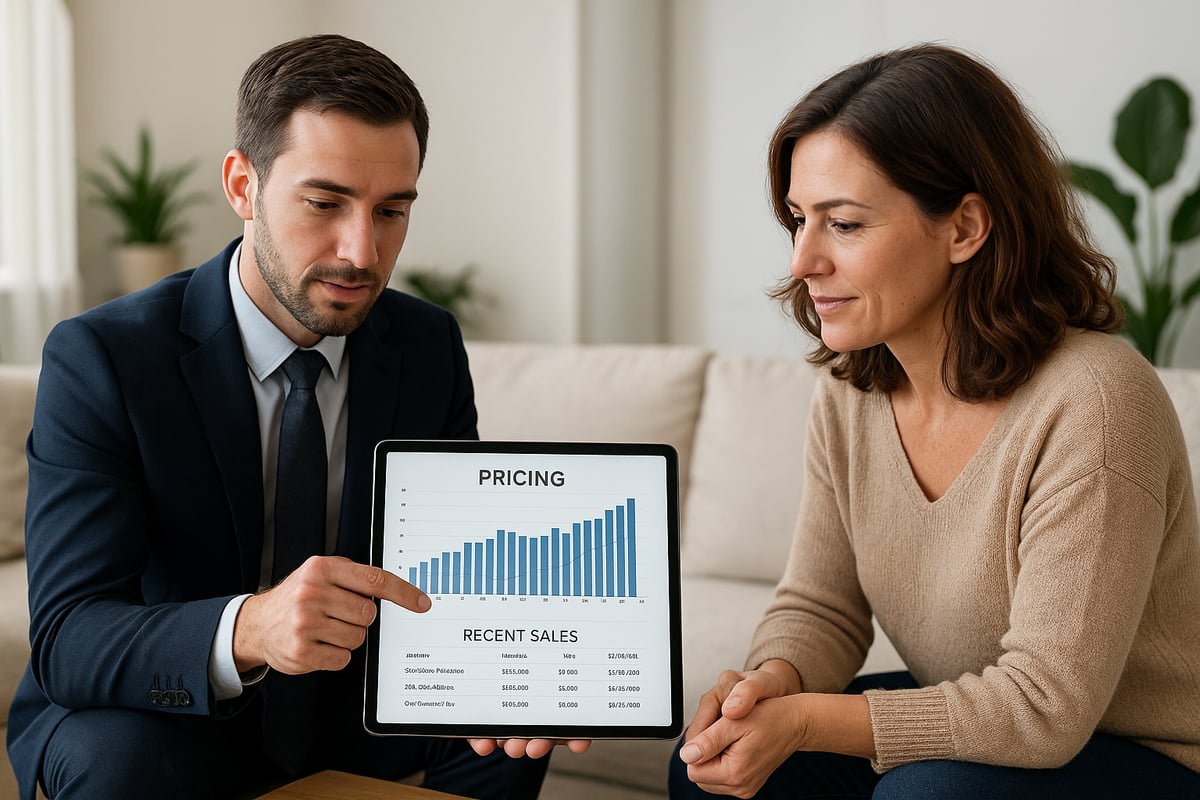
A Comparative Market Analysis is your first step in the sale on house process. This method compares your property to similar homes that have sold, are currently listed, or were withdrawn unsold.
| Factor | Your Home | Recent Sale 1 | Recent Sale 2 | Active Listing |
|---|---|---|---|---|
| Beds/Baths | 3/2 | 3/2 | 3/2 | 3/2 |
| Square Feet | 1,800 | 1,820 | 1,750 | 1,790 |
| Sale/List Price | ? | $410,000 | $400,000 | $420,000 |
| Days on Market | ? | 17 | 22 | 10 |
To create your own CMA, use platforms like Redfin or consult your agent. For 2026 trends, Realtor.com’s 2026 Housing Forecast offers projected price movements and mortgage rates. This data helps you set a realistic starting point for your sale on house, tailored to local dynamics.
Setting the Right Asking Price
The asking price sets the stage for your sale on house. Overpricing can scare off buyers, while underpricing may leave money on the table.
Consider these tips:
- Review your CMA results and local demand.
- Use psychological pricing, such as listing at $499,000 instead of $500,000, to attract more attention.
- Factor in recent upgrades or unique features.
According to NAR, homes priced accurately sell 30 percent faster. Remember, buyers in 2026 are data-savvy and will compare your home to others. Setting a compelling price from day one creates urgency and positions your sale on house for a strong start.
Adjusting Price Based on Market Feedback
Your sale on house strategy should be flexible. After listing, track showings, offers, and agent feedback closely. If interest is low after two weeks, consider a price adjustment.
For example, a Pittsburgh home listed at $415,000 sat for 30 days with minimal activity. After a $10,000 reduction, showings doubled and the seller accepted an offer within a week. Timely adjustments keep your listing competitive and reduce the risk of becoming stale in buyers’ eyes.
Regularly reviewing market feedback ensures your sale on house stays aligned with buyer expectations and current trends.
Factoring in Seller Concessions and Closing Costs
Many sellers overlook the impact of concessions and closing costs on their sale on house proceeds. Common expenses include:
- Title insurance
- Transfer taxes
- Home warranty fees
- Repairs requested after inspection
Offering concessions, such as paying a portion of closing costs, can attract more buyers in a competitive market. In 2025-2026, average seller concessions range from 1 to 3 percent of the sale price. Understanding these costs upfront helps you net the most from your sale on house and avoid surprises at closing.
Marketing Your Home to Stand Out in 2026
Making your sale on house successful in 2026 means mastering modern marketing. The competition is fierce, and buyers are more discerning than ever. To attract the right offers, you need a strategic approach that combines compelling descriptions, digital savvy, and professional support.

Crafting a Compelling Listing Description
A strong listing description is the foundation of any sale on house. Write for both emotion and SEO by focusing on what makes your property unique. Use descriptive language to paint a picture of daily life in the home, and include keywords buyers are likely to search for.
Highlight recent upgrades, energy-efficient features, and flexible spaces. For example, “Spacious 4-bedroom in Pittsburgh with a remodeled kitchen and smart home technology.” If your property is challenging to sell, consider these strategies for selling difficult homes to make your listing stand out.
Sample listing: “Enjoy sun-filled mornings in your move-in-ready kitchen, relax in a landscaped backyard, and benefit from a walkable neighborhood close to schools and parks.”
Leveraging Online Real Estate Platforms
In 2026, most buyers start their sale on house journey online. List your property on top platforms like Zillow, Redfin, Realtor.com, and your local MLS. Each platform has its own strengths—maximize exposure by using high-quality photos, detailed descriptions, and accurate data.
Optimize your listing by updating it regularly and responding promptly to inquiries. According to the National Association of Realtors, over 90% of buyers use online searches. Make your home easy to find and hard to ignore.
A well-optimized online presence gives your sale on house a competitive edge, widening your reach and attracting more qualified buyers.
Social Media and Digital Advertising Strategies
Social media is a powerful tool for marketing your sale on house. Platforms such as Facebook, Instagram, and TikTok let you showcase your property through photos, videos, and live tours.
Consider a mix of organic posts and paid ads to reach your target audience. Set a budget for sponsored posts to boost visibility. For example, a Pittsburgh homeowner used a TikTok home tour that went viral, leading to multiple offers within days.
Engage with comments and direct messages to build trust. Social media marketing personalizes your sale on house and connects you with serious buyers.
Hosting Virtual and In-Person Open Houses
Combine virtual and in-person open houses for the broadest impact on your sale on house. Virtual tours allow remote buyers to explore your property anytime, using 3D walkthroughs and live video.
For in-person events, prepare your home with professional cleaning and staging. Follow current safety guidelines and provide handouts with key features.
Data from 2025 shows that homes with virtual open houses attract more showings and sell faster. By diversifying your approach, you increase visibility and buyer engagement for your sale on house.
Working with Real Estate Professionals
Partnering with experienced real estate professionals is crucial for a successful sale on house. Agents, photographers, and stagers each play a key role in presenting your home at its best.
When choosing an agent, interview candidates and ask about their marketing strategies, local expertise, and recent sales. Sample questions include: “How will you market my home differently in 2026?” and “What tools do you use to attract buyers?”
A trusted agent will guide you through pricing, marketing, and negotiations, ensuring your sale on house achieves the best possible outcome.
Negotiation and Closing: Securing the Best Deal
Reaching the negotiation and closing stage of your sale on house journey is where strategy truly pays off. This phase is critical for maximizing your profit and ensuring a smooth transition. Let’s break down each step so you can confidently secure the best possible outcome.
Reviewing and Comparing Offers
Once your sale on house is active, you may receive multiple offers. It’s not just about the highest price. Evaluate each offer based on financing type (cash or mortgage), contingencies (inspections, appraisals), and closing timelines.
Key points to review:
- Cash offers can close faster and are less risky.
- Fewer contingencies mean a smoother path to closing.
- Flexible timelines may suit your moving plans.
For example, in a multiple-offer situation, a slightly lower cash offer with no contingencies might be more valuable than a higher financed offer with several conditions. Always discuss these nuances with your agent to make the best choice for your sale on house.
Mastering Negotiation Tactics
Negotiation is both art and science in a sale on house. Start by responding to offers promptly, and don’t be afraid to present a counteroffer that aligns with your goals. Consider not just price, but also terms like closing dates and included appliances.
Effective strategies include:
- Countering with minor adjustments to price or terms.
- Holding firm when your home is in high demand.
- Knowing when to compromise for a faster closing.
Typically, sellers go through two to three negotiation rounds before reaching agreement. A well-prepared approach can help you get top dollar for your sale on house while maintaining strong buyer interest.
Navigating Inspections and Appraisals
After accepting an offer, inspections and appraisals become the next hurdles for your sale on house. Inspections may reveal issues that buyers want addressed. Prepare by fixing known problems beforehand, and respond to repair requests thoughtfully.
Common scenarios:
- Minor repairs can be credited at closing.
- Major issues may require negotiation or a price adjustment.
- Appraisal gaps can threaten financing—be ready to renegotiate if needed.
For example, if an appraisal comes in lower than the sale price, you may need to meet the buyer halfway or adjust the price to keep the sale on house moving forward.
Understanding the Closing Process
The last step in your sale on house is closing, where ownership officially transfers. Review all documents carefully, confirm your responsibilities, and be aware of typical closing costs for your state.
Closing checklist:
- Sign the purchase agreement and disclosures.
- Complete required repairs or credits.
- Finalize the transfer of utilities and keys.
If you’re considering a non-traditional route, learning about the How We Buy Houses Process can offer a faster, simpler alternative for closing your sale on house, especially if you need to move quickly or want to sell as-is.
Alternative Selling Options for 2026
Exploring alternative routes for a sale on house in 2026 can offer flexibility and speed, depending on your needs. From quick cash buyers to modern online platforms, each method brings unique advantages. Understanding these options helps you select the best path for your situation.
Selling to Cash Home Buyers
Choosing a cash buyer can simplify the sale on house process, especially if you need to close quickly or sell as is. Cash buyers typically purchase homes in any condition, skip financing delays, and offer flexible timelines.
This option is ideal for distressed properties, inherited homes, or when facing urgent situations like foreclosure. In 2025 and 2026, investor activity is expected to account for about 15% of home sales, providing a significant pool of cash buyers.
A step-by-step approach includes requesting an offer, reviewing terms, and scheduling a closing date that fits your needs. For many, the predictability and speed outweigh the potentially lower sale price.
Sell Your House Fast in Pittsburgh with JayZ Property Solutions LLC
If you need to sell on house fast in Pittsburgh, JayZ Property Solutions LLC offers a streamlined cash offer process. Start by submitting your property details, receive a no-obligation offer within 24 hours, and close on your chosen timeline.
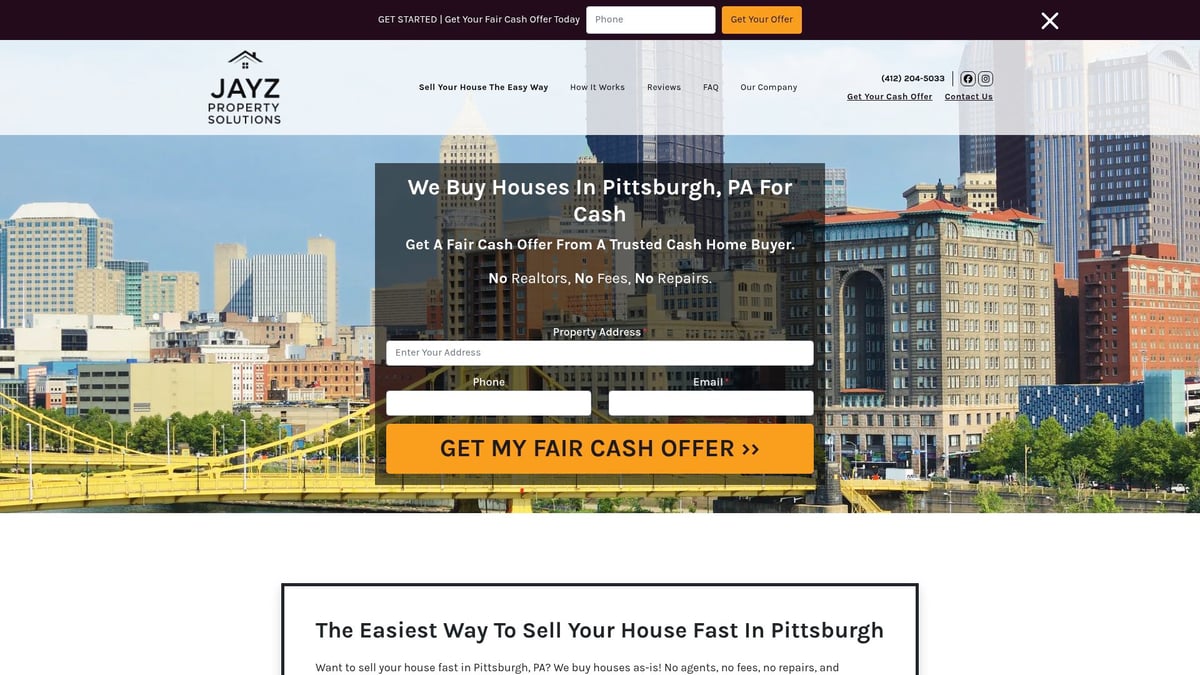
The benefits include no repairs, zero agent commissions, and a guaranteed closing. For example, a Pittsburgh homeowner facing foreclosure avoided financial hardship by accepting a quick cash offer and closing in under two weeks. If you want a personalized estimate, you can Get a Cash Offer Today through their secure platform.
This route is especially valuable if you prioritize certainty and convenience over maximizing the final sale price.
For Sale By Owner (FSBO) vs. Traditional Listing
Some sellers consider FSBO to save on commissions and control the sale on house process. The advantages include direct negotiation and potential cost savings. However, FSBO comes with challenges, such as handling legal paperwork, marketing, and negotiations without professional support.
Comparatively, agent-assisted sales often yield higher prices and smoother transactions. In 2026, FSBO homes are expected to represent about 7% of all transactions. Success rates remain lower than traditional listings, largely due to limited exposure and negotiation expertise.
Weigh the pros and cons carefully before choosing this route, especially in a competitive market.
Exploring iBuyer and Online Platforms
iBuyers are tech-driven companies that make instant offers on homes, providing a fast and predictable sale on house experience. Sellers receive an offer online, complete a digital inspection, and choose a closing date, often within a few weeks.
Fees with iBuyers typically range from 5% to 10% of the sale price, similar to or higher than traditional commissions. Here’s a quick comparison:
| Option | Timeline | Fees | Certainty | Typical Offer Price |
|---|---|---|---|---|
| iBuyer | 7-21 days | 5-10% | High | Slightly below market |
| Traditional | 30-60 days | 5-6% | Medium | Market value |
For example, a seller in a suburban area compared offers and found the iBuyer route netted slightly less, but provided unmatched speed and convenience.
As you navigate the evolving real estate landscape for 2026, it is important to consider all your options—especially if you value speed, simplicity, and certainty. Whether you are dealing with market fluctuations, tight timelines, or properties that need repairs, you do not have to go it alone. JayZ Property Solutions LLC specializes in helping Pittsburgh homeowners sell quickly for cash, with no repairs, agent fees, or commissions. If you are ready to take control of your sale and move forward on your terms, Get your offer today and see how easy it can be to achieve your goals.